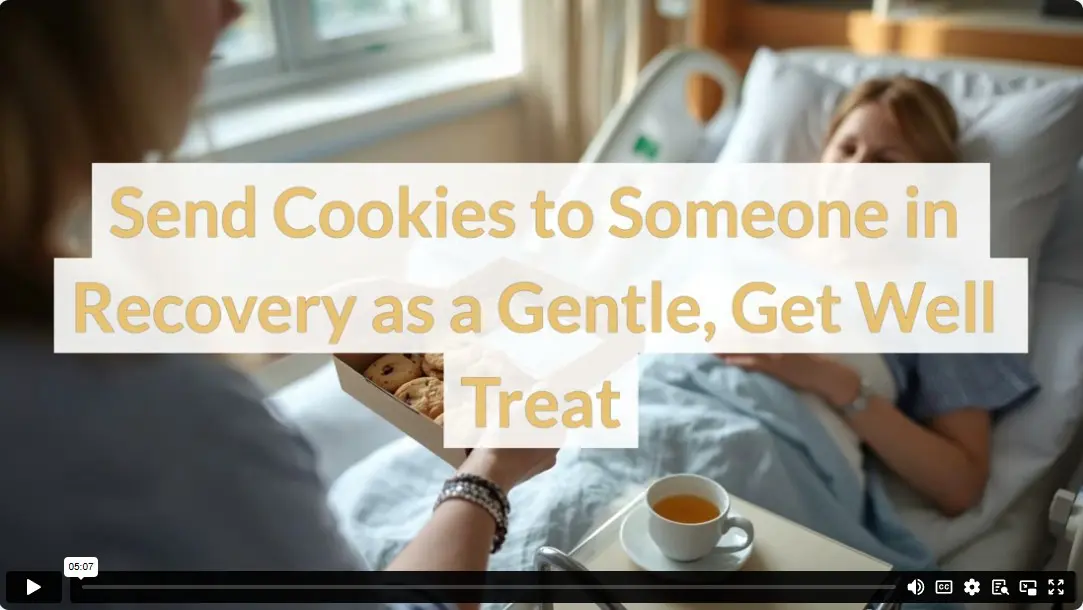
When someone you care about is recovering, even small acts of kindness can feel deeply meaningful. A text message reminds your friend they are not alone. A quick visit breaks up the monotony of a patient’s day. A thoughtful food package offers familiar comfort. When you choose your treats with care, cookies work beautifully as a thinking-of-you gift to friends or family in recovery.
(freepik/magnific)
Build A Thoughtful Cookie Gift
After illness, surgery, shock, or another emotionally draining period, food may generally seem unappealing. Heavy meals and rich desserts can feel like too much for someone in recovery. To build a care package that feels supportive, and that your loved one can enjoy, include warm, simple elements in your treats and gifts.
Soft and Gentle Texture
If someone feels tired, sore, or low on appetite, a tender cookie that breaks easily and melts in the mouth is far more inviting than something hard or dense. Soft cookies offer a little sweetness without demanding much effort. They provide a manageable food texture for people in recovery.
Texture also shapes the emotional side of eating. We tend to eat soft foods more slowly, savoring the taste rather than furiously chewing. A calmly enjoyed treat feels more soothing and restorative when someone’s life has been disrupted. This emotional impact is part of why soft cookies shine as get-well hospital gifts.
Favorite or Mild Flavors
Comfort often comes from simplicity. Cookies with mild flavors feel especially well-suited for recovery. Soft chocolate chip cookies are a universal and familiar favorite. Oatmeal cookies offer a less-sugary option and textural variety compared to hospital food. Light, buttery sugar cookies can be gentler for people with small appetites or sensitive stomachs.
If you know the person well, go with their favorite flavor. Sending a white chocolate pecan cookie to the friend who gave you the recipe will effectively remind them of your unique and meaningful connection. Without personal knowledge of their preferences, traditional flavors convey your care without going overboard.
Quality and Familiar Ingredients
Cookies made with quality ingredients usually taste cleaner and feel more satisfying. Real butter, oats, mild spices, and soft mix-ins can create a better experience than cookies packed with overly strong flavors or artificial sweetness.
Keep in mind that if your recovering loved one has dietary restrictions, sensitivities, or food preferences. You want the cookies to be a delight, not a disappointment. Choosing simpler cookies with familiar ingredients, or baking the treats yourself, ensures they can enjoy your gift.
Small and Simple Treats
A good recovery cookie feels easy rather than overwhelming. Keep it simple. Small, light cookies without frosting are convenient to nibble on throughout the day and make less of a mess. Simple flavors hold up well and can be enjoyed over a few days, extending the impact of your gift and easing the pressure on your friend to eat them all right away.
Useful and Easy Extras
If you want your gift to feel especially supportive, think about the full experience along with the cookies. Write a few sincere lines of comfort and care. Include tea or decaf coffee to complement the treats. Add a small plate and napkin to make it simple for a person in bed to eat and clean up. These additions can make the gift feel more useful while keeping the focus on your care and encouragement.
Offer Comfort at the Right Time
Someone in recovery often receives flowers, cards, balloons, and meals right away. People hear about the diagnosis, procedure, accident, or other hard event and show up. Your friend or family member may certainly appreciate cookies at this juncture, but these treats can get lost in the shuffle.
After the first wave of support fades, the recovering person will still be getting back on their feet and can feel even more tired, sore, lonely, or emotionally worn down after weeks of handling the upheaval. The first holiday after a death or the first anniversary of chemo can be harder than the initial shock.
Sending cookies during this quieter stretch can be especially thoughtful and comforting. Follow-up comfort packages can interrupt a hard day and change the rhythm of the week. And delivering cookies expresses lasting care and steadiness while respecting the person’s space or requiring a long conversation at a difficult time.
Offering comfort at the right time isn’t always easy. Distance from loved ones and the busyness of everyday life can make it hard to deliver cookies when your friend or family member needs them. But you don’t have to be physically present for your gift to make a difference. Using a cookie delivery service or mailing your homemade treats to someone in recovery gives them the emotional lift they need when they need it.
Give Recovering Friends a Little Gentleness
When someone is healing, they are often overrun by the big things: expensive hospital bills, life-changing decisions, months-long recovery schedules, and intensely emotional moments. A grand gesture of support in those times can be overwhelming.
Thoughtfulness, simplicity, and familiarity are what someone in recovery needs. Gentle cookie treats can do that beautifully. They encourage quiet moments of peace and calm. They bring softness to a hard stretch and turn an overwhelming afternoon into a moment of regular comfort.
Video