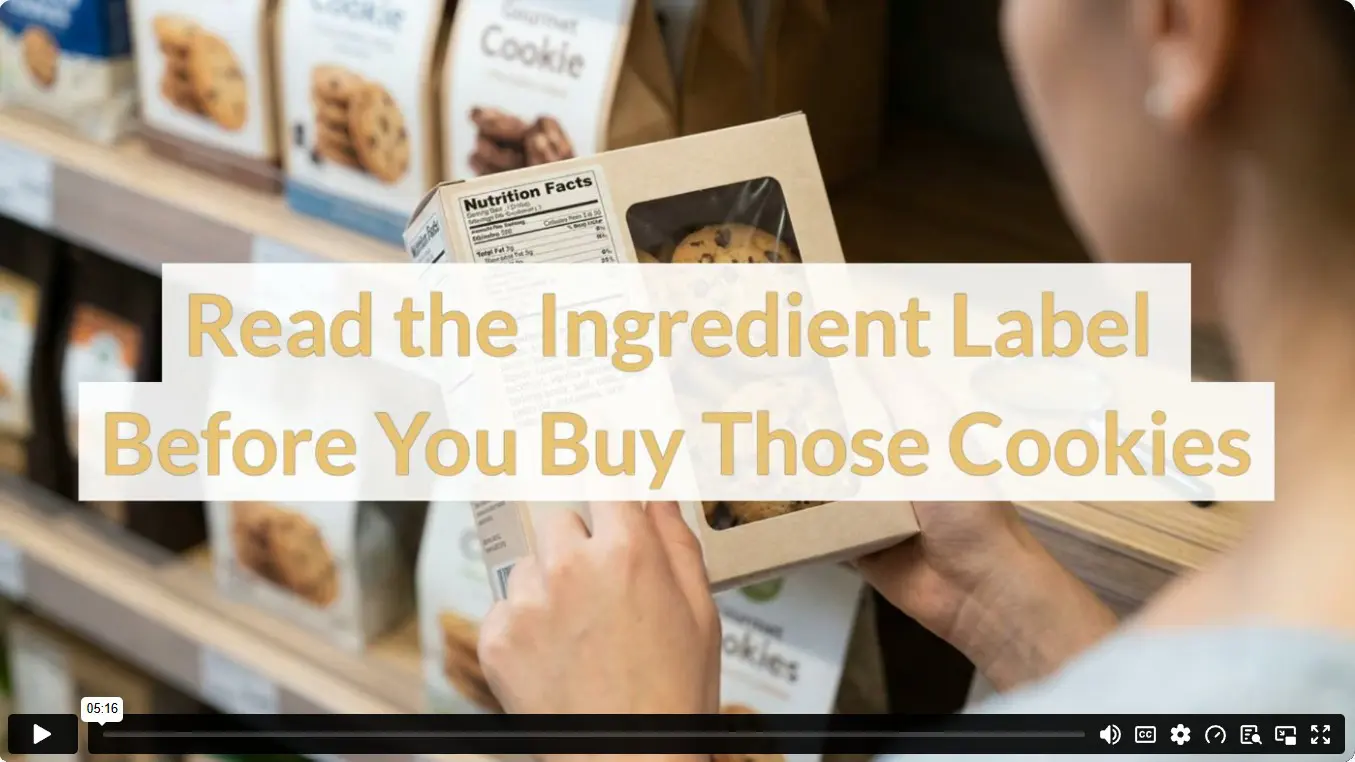
Most people only glance at a cookie’s packaging to check the flavor or brand. Then, they move on. That could land you with a mint brownie cookie to die for…or one that goes in the trash.
You can tell a lot more about the quality of the treats by learning to read the ingredient label. It tells you about the treat’s history and what flavor to expect. The ingredient label is key to choosing the best cookies to buy online, at the bakery, or in the grocery store.
Note the Order of the Ingredients
Manufacturers list ingredients in descending order by weight. Whatever appears first on the label is present in the greatest quantity, while whatever appears last is present in the smallest amount. That one rule does a lot of the interpretive work for you.
A cookie that lists flour, butter, sugar, and eggs near the top is built around straightforward baking staples. You can expect it to taste like a home-made treat. But a cookie label that starts with enriched bleached flour, soybean oil, high-fructose corn syrup, and dextrose is designed for long shelf life and cost efficiency rather than for flavor.
Also, pay attention to where the fats fall in the list. Butter is a premium fat that contributes flavor and softness to a well-made cookie. Substituting a blend of vegetable oils or partially hydrogenated fat for butter won’t match the taste or texture of a gourmet cookie.
Prioritize Real Ingredients
After the order, look closely at the actual ingredients. If you want gourmet Christmas cookies like Grandma used to make, the label had better include the same kind of items as her recipe. A short, readable list of recognizable ingredients signals a quality cookie.
On the other hand, a Christmas cookie box with a long list of modified starches, emulsifiers, artificial sweeteners, and unpronounceable chemicals may last for six years. Chemical substitutes extend the treat’s shelf life but taste like sawdust.
Prioritize sugar and whole eggs. Real ingredients have different chemical properties from substitutes. High-fructose corn syrup and glucose-fructose blends retain more moisture than honey or cane sugar, resulting in sweeter, stickier treats. Dried eggs don’t lift the dough or add richness like whole eggs, making the cookies flatter and blander.
When a label reads like a recipe with real, recognizable ingredients, you can be more confident the cookies were made to taste delicious.
Consider Artificial Items in Context
Homemade cookies and factory-produced treats both occasionally use preservatives and artificial flavors. So consider which ones were used and how many other additives are in the cookies. That will help you know why they’re present and how these ingredients will affect the cookies.
Preservatives
Treats that rely only on salt, sugar, and butter as preservatives must be eaten within a week. Many commercial cookie companies use preservatives and additives to slow the growth of mold and bacteria. These items don’t make the products bad, but they do change the texture, flavor, and freshness you can expect from the cookie.
Ingredients like calcium, propionate, sorbic acid, and TBHQ, combined with modified starches and emulsifiers, usually indicate factory-made cookies designed for the longest shelf life. Bakeries often use preservatives such as corn syrup, honey, molasses, glycerin, and lecithin to make soft cookies that stay fresh a little longer.
Extracts and Artificial Flavors
Cookie labels often include artificial flavors such as vanilla, almond, lemon, peppermint, coffee, mocha, and maple. These synthetic compounds and extracts approximate the taste of the real ingredient, which can be difficult to work with or expensive to obtain.
Whether the artificial ingredients matter depends on the type of cookie. A simple butter cookie, where vanilla plays a large role in the flavor profile, needs the real ingredient, unlike a monster cookie packed with chocolate, oats, and nuts. Or if you want a treat that really tastes like oranges, buy a cookie that combines an extract with real orange zest and juice to intensify the flavor.
A clean label with few or no preservatives typically points to one of two things: the baker recently made the cookie and expects customers to eat it soon, and/or they deliberately chose quality ingredients to carry the product. Both signs point to truly gourmet cookies.
The Ideal Cookie Label
When you know what to look for on the packaging, you’re better positioned to buy gourmet treats. The ideal cookie label follows a recognizable pattern:
- A short list of items
- Flour, butter, eggs, and sugar at the beginning
- Ingredients you could find in your kitchen
- Limited preservatives or additives
- Artificial flavors that make sense for the recipe
This kind of label indicates that the baker prioritized a cookie with deep flavor and a soft texture so the customer can enjoy each bite.
The Skills to Buy What You Need
Once you know how to read a cookie ingredient label, you can make more informed purchases. You may still buy oil-based chocolate cookies because you enjoy the crunchy texture. And you may want treats with preservatives to last a few weeks if you’re mailing a box across the country.
But when you need your treat to do the talking for you, like when you’re sending holiday cookie gift packages or thank you cookies, the quality reflects your relationship and message. You want premium products to express yourself in those situations.
Whether you always purchase gourmet cookies or not, being able to read a label properly gives you the skills to know what’s inside the package and purchase the cookie you need.
Video