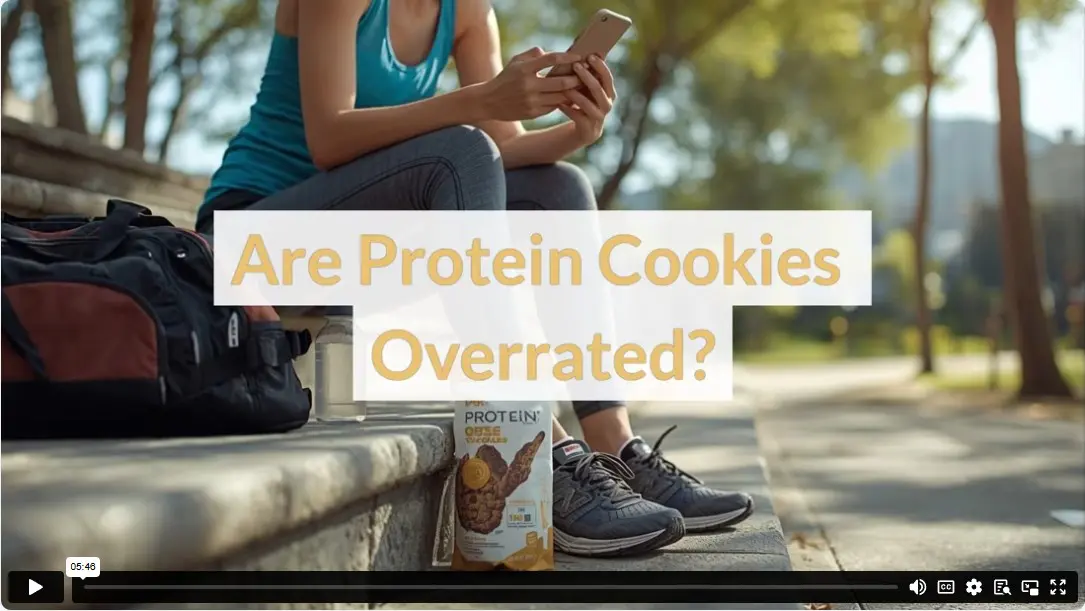
Protein cookies are everywhere now. They flex at you from grocery stores, wink from gym vending machines, and take over your social media feed. They promise the holy trinity: convenience, nutrition, and indulgence all in just a few bites.
If you love cookies but also care about how you fuel your body, it’s fair to wonder whether protein cookies actually deliver on those promises or if they’re just another snack wearing a wellness costume.
When you look closer, protein cookies sit at an interesting crossroads between treat and functional snack. They aim to satisfy cravings while supporting energy, fullness, or post-workout needs. That’s a big job for a cookie.
At the same time, many people approach them with skepticism, and for good reason, especially if they’ve tried versions that taste chalky or overly sweet. So before you add protein cookies to your mail order cookie cart or write them off forever, let’s take a look at these trendy cookies.
What Protein Cookies Are Made to Do
Protein cookies are built around a specific goal: adding protein to a familiar format. Instead of reaching for a shake or bar, you get something that looks and feels like a cookie. For many people, that familiarity matters. It’s comfort food with a job to do, and it lowers the barrier to choosing a higher-protein option, especially when you want something comforting.
Most protein cookies include protein powders or protein-rich ingredients to boost their nutritional profile. This addition can help you feel fuller longer and may support muscle recovery or sustained energy, depending on your needs. Think of them as multitaskers, perfect for balancing busy days, workouts, or long gaps between meals.
That said, protein cookies are not meant to replace all other snacks or desserts. They serve a specific purpose, and judging them fairly means assessing how well they fulfill that purpose rather than expecting them to behave like a traditional homemade cookie. A cookie can’t be everything to everyone.
Taste Expectations Versus Reality
Taste often determines whether protein cookies earn a permanent place in your pantry. You expect a cookie to be enjoyable, but when the flavor or texture falls short, disappointment sets in quickly. No one wants to gag on dessert. Some protein cookies struggle here, leaning too heavily on artificial sweeteners or dense textures that remind you of their functional intent.
Other versions manage to strike a better balance, offering flavors that feel familiar while still delivering added protein. When protein cookies succeed, they provide a satisfying experience without feeling like a compromise. When they miss the mark, they feel more like a chore than a treat.
Your expectations play a big role. If you approach protein cookies expecting them to taste exactly like bakery cookies, you’re likely to be frustrated. When you see them as a hybrid snack with a specific function, it becomes easier to appreciate what they do well, so meet them where they’re at.
How Protein Cookies Fit Into Your Day
One way to decide if protein cookies are worth trying is to consider when you would actually eat them. Timing and context matter. A protein cookie can make sense when you need something portable, filling, and convenient. It may work well as a mid-afternoon snack, a quick breakfast on the go, or a post-workout option when you want something more substantial than fruit. They shine when life is moving fast.
They may not feel as satisfying when you’re looking for a slow, indulgent dessert moment. In those cases, classic cookies often win because they deliver comfort, nostalgia, and enjoyment without nutritional expectations attached.
Thinking about your routine helps you decide whether protein cookies add value or simply create clutter in your snack options.
Ingredient Quality and Transparency
Not all protein cookies are created equally. Ingredients vary widely across brands, and quality can make a noticeable difference in how the cookie tastes and how your body responds. Some protein cookies rely on long ingredient lists and unfamiliar additives to achieve texture and shelf life. Others focus on simpler ingredients and clearer sourcing, and you can usually taste the difference.
When evaluating protein cookies, check out where the protein comes from and what kind of sweeteners and preservatives are used. If there are a lot of long, unfamiliar ingredient names, you may want to move on.
Protein Cookies vs. Traditional Cookies
Protein cookies and traditional cookies serve different roles. Traditional cookies offer comfort, celebration, and familiarity. They often connect to memories, gatherings, and moments of relaxation. They also offer sweet indulgence, undiluted by add-ins like protein. They represent pure, uncomplicated enjoyment.
Protein cookies focus more on function, convenience, and nutritional support. They’re not likely to be the best-tasting dessert you’ve ever had, but they can make the protein go down easier. They can help keep you full longer between meals and serve as a post-workout option that feels like a treat rather than a supplement.
Can You Have Both?
This does not have to be a zero sum game. If you want a delicious dessert that packs a protein punch, opt for traditional cookies with nuts or peanut butter. They are free of the chemicals, offputting textures, and overpowering sweeteners you often find in protein cookies, but they still deliver a protein boost.
No time to make the real deal? Order gourmet peanut butter or nut cookies from a cookie delivery company. Hint: Cookie deliveries also make great gifts for your protein-loving buddies.
Finding Your Own Balance
Food choices work best when they support both your body and your enjoyment. Protein cookies can be a valuable tool in that balance, especially during busy seasons or on active days. But if you want the ultimate in taste and texture, traditional cookies win.
In the end, the best choice is the cookie that fits the moment, whether that’s mid-workout or when you’re hankering for a tasty dessert after a long day. If it makes your day feel a little easier and a little more enjoyable, it’s doing its job.
Video